Korean Bibimbap
Highlighted under: Inspired Planning
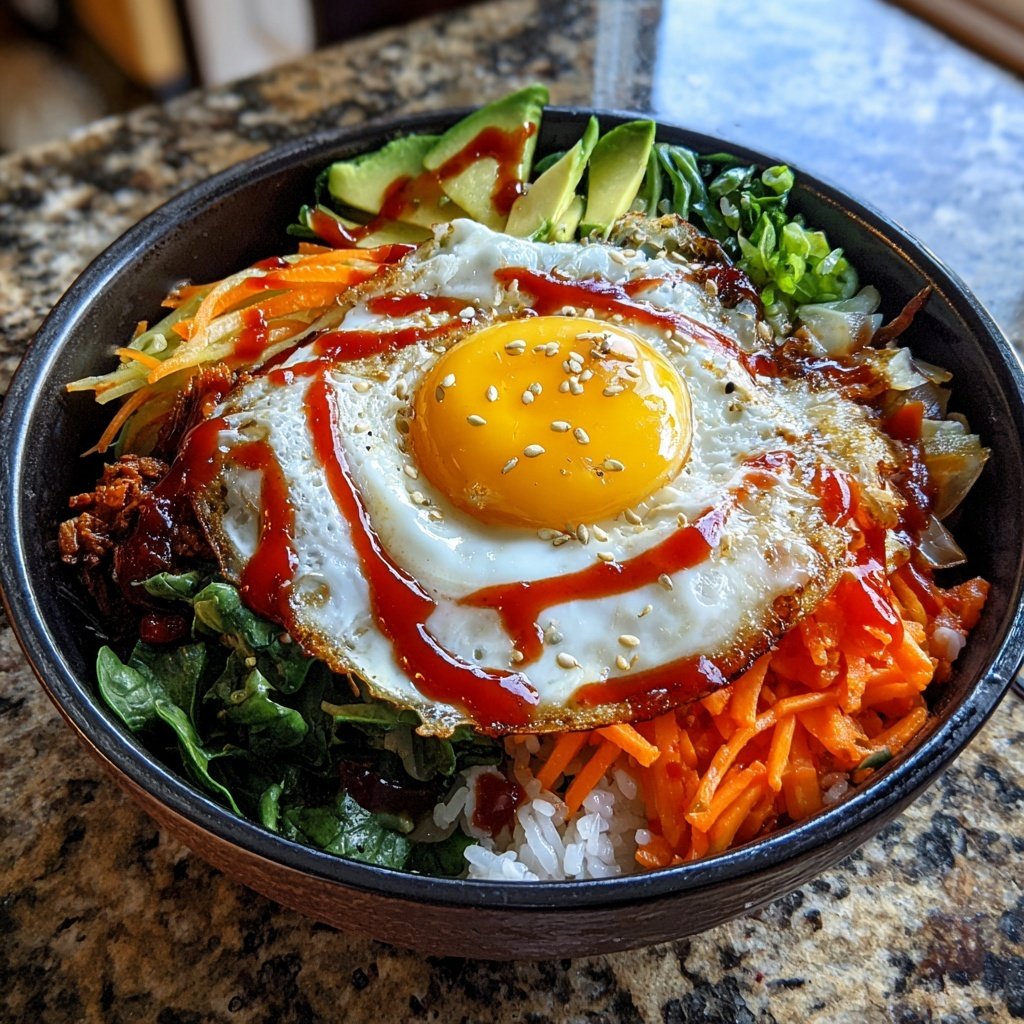
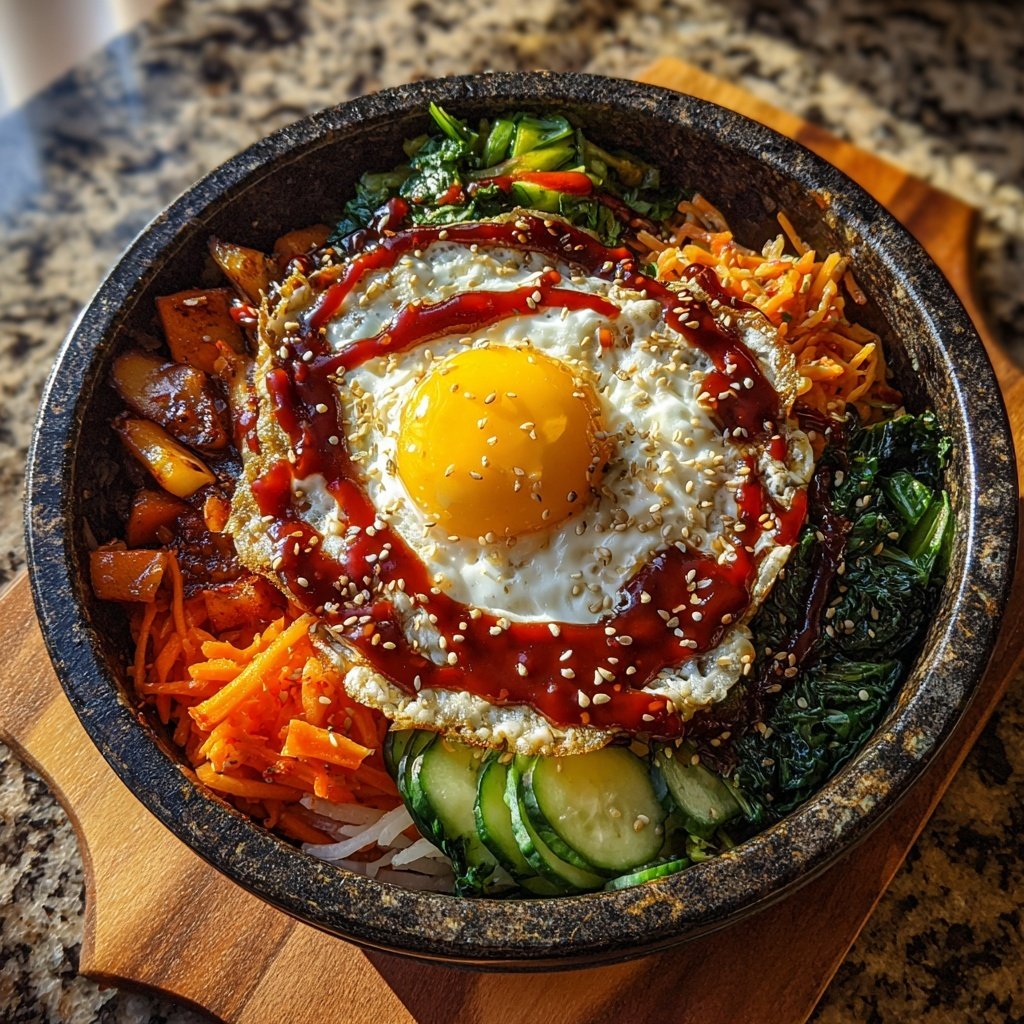
Korean Bibimbap is a vibrant and flavorful mixed rice dish topped with an array of vegetables, meat, and a fried egg, all served with a spicy gochujang sauce.
Korean Bibimbap is not just a meal; it's a colorful and nutritious feast that represents the harmony of flavors in Korean cuisine. The word 'bibimbap' literally means 'mixed rice' and reflects the diverse ingredients that come together in each bowl. From sautéed vegetables to marinated meat, every bite is a delightful experience.
Why You Will Love This Recipe
- A beautiful presentation with vibrant colors and textures
- Nutritious with a variety of vegetables and proteins
- Customizable to suit your taste preferences
The Origins of Bibimbap
Bibimbap is a traditional Korean dish that has been enjoyed for centuries. Its name translates to 'mixed rice,' which perfectly describes the dish's vibrant combination of flavors and textures. Each ingredient represents a unique aspect of Korean culinary culture, making it a beloved meal both in Korea and around the world.
Historically, bibimbap was a way to use up leftover ingredients, showcasing the resourcefulness of Korean home cooks. This dish was often enjoyed during the Korean New Year and other festive occasions, symbolizing harmony and balance in life through its colorful presentation.
Today, bibimbap has evolved into a popular dish served in various forms, from casual street food to elegant restaurant offerings. Its adaptability to different ingredients and personal preferences makes it a favorite among diverse eaters.
Health Benefits of Bibimbap
Korean bibimbap is not only delicious but also packed with nutritional benefits. The array of vegetables provides essential vitamins and minerals, contributing to a well-balanced diet. Spinach, carrots, and zucchini are rich in antioxidants, which help combat oxidative stress and promote overall health.
The inclusion of protein, whether from beef or tofu, ensures that this dish is filling and satisfying. Protein is crucial for muscle repair and growth, making bibimbap a great post-workout meal. Additionally, the healthy fats from sesame oil enhance the absorption of fat-soluble vitamins from the vegetables.
Moreover, bibimbap's customizable nature allows you to cater to various dietary needs, whether you're vegetarian, vegan, or looking to reduce your meat intake. This versatility makes it an excellent choice for anyone seeking a nutritious meal.
Tips for Perfecting Your Bibimbap
To achieve the best flavor and texture in your bibimbap, start with high-quality ingredients. Fresh vegetables not only enhance the dish's appearance but also its taste and nutritional value. If possible, visit a local market to find the freshest produce available.
When cooking the vegetables, avoid overcrowding the pan. Sauté each vegetable separately to ensure they retain their unique flavors and textures. This method allows each ingredient to shine and contributes to the overall harmony of the dish.
Finally, don't be afraid to experiment with toppings and seasonings. While gochujang is a classic choice, you can also try adding kimchi, pickled vegetables, or even a sprinkle of nori for an extra layer of flavor. Personalizing your bibimbap will make it even more enjoyable.
Ingredients
Gather all the fresh ingredients for the best Bibimbap experience!
Ingredients for Bibimbap
- 2 cups cooked rice
- 1 cup spinach, blanched
- 1 cup carrots, julienned
- 1 cup zucchini, julienned
- 1 cup bean sprouts, blanched
- 1 cup shiitake mushrooms, sautéed
- 1 cup beef (or tofu), thinly sliced and marinated
- 4 fried eggs
- 2 tablespoons sesame oil
- Gochujang (Korean chili paste), to taste
- Sesame seeds, for garnish
- Salt, to taste
Now that you have everything ready, it's time to cook!
Instructions
Follow these steps for a delicious Bibimbap.
Prepare the Vegetables
In a pan, sauté each vegetable separately in sesame oil until tender. Season with a pinch of salt.
Cook the Beef
In the same pan, cook the marinated beef (or tofu) until browned and cooked through.
Assemble the Bibimbap
In a bowl, place a serving of rice at the bottom. Arrange the sautéed vegetables and beef around the rice. Top with a fried egg.
Serve with Gochujang
Drizzle with gochujang and sprinkle with sesame seeds before serving. Mix everything together before enjoying!
Enjoy your delicious and colorful Bibimbap!
Pro Tips
Feel free to customize the toppings based on seasonal vegetables or your preference!
How to Store Leftovers
If you have leftover bibimbap, storing it properly is key to maintaining its freshness. Keep each component separate in airtight containers to prevent sogginess. The rice, vegetables, and protein can be refrigerated for up to three days, while the gochujang can be stored in the pantry.
When you're ready to enjoy leftovers, simply reheat the rice and vegetables in a microwave or on the stovetop. If you're using a fried egg, consider cooking a fresh one to top your reheated bibimbap for the best taste and texture.
Serving Suggestions
Bibimbap is a complete meal on its own, but you can enhance your dining experience by pairing it with traditional Korean side dishes. A small bowl of kimchi adds a delightful spicy and tangy flavor that complements the dish beautifully.
For a refreshing touch, serve your bibimbap with a side of pickled radishes or a simple cucumber salad. These sides not only enhance the meal but also provide a great contrast to the richness of the fried egg and the hearty ingredients.
Variations to Try
While the classic bibimbap features beef, feel free to experiment with different proteins. Grilled chicken, shrimp, or even a medley of mushrooms can create a unique twist on this beloved dish. For a plant-based option, skip the meat altogether and load up on your favorite vegetables and tofu.
You can also customize the spice level according to your preference. If you enjoy a milder taste, reduce the amount of gochujang and add a touch of soy sauce instead. Alternatively, for those who crave heat, consider adding sliced fresh chilies or a dash of chili oil for an extra kick.
Questions About Recipes
→ Can I make Bibimbap vegetarian?
Yes! Simply replace the beef with tofu or additional vegetables.
→ What is gochujang?
Gochujang is a Korean chili paste that adds a spicy and slightly sweet flavor to dishes.
→ Can I use brown rice instead of white rice?
Absolutely! Brown rice adds more fiber and nutrients.
→ How do I store leftover Bibimbap?
Store components separately in airtight containers in the fridge for up to 3 days.
Korean Bibimbap
Created by: Jemima Fox
Recipe Type: Inspired Planning
Skill Level: Intermediate
Final Quantity: 4 servings
What You'll Need
Ingredients for Bibimbap
- 2 cups cooked rice
- 1 cup spinach, blanched
- 1 cup carrots, julienned
- 1 cup zucchini, julienned
- 1 cup bean sprouts, blanched
- 1 cup shiitake mushrooms, sautéed
- 1 cup beef (or tofu), thinly sliced and marinated
- 4 fried eggs
- 2 tablespoons sesame oil
- Gochujang (Korean chili paste), to taste
- Sesame seeds, for garnish
- Salt, to taste
How-To Steps
In a pan, sauté each vegetable separately in sesame oil until tender. Season with a pinch of salt.
In the same pan, cook the marinated beef (or tofu) until browned and cooked through.
In a bowl, place a serving of rice at the bottom. Arrange the sautéed vegetables and beef around the rice. Top with a fried egg.
Drizzle with gochujang and sprinkle with sesame seeds before serving. Mix everything together before enjoying!
Extra Tips
Feel free to customize the toppings based on seasonal vegetables or your preference!
Nutritional Breakdown (Per Serving)
- Calories: 500 kcal
- Total Fat: 20g
- Saturated Fat: 4g
- Cholesterol: 210mg
- Sodium: 800mg
- Total Carbohydrates: 60g
- Dietary Fiber: 5g
- Sugars: 5g
- Protein: 20g