Chicken Run Ideas For Cold Climates
Highlighted under: Rustic Planning
As someone who loves to keep chickens even in the frosty months, I’ve gathered a few chicken run ideas that make winter not just bearable, but fun for my feathery friends. I never realized how much creativity I could unleash until I saw how much happier my chickens were with a few strategic additions to their run. From cozy shelters to engaging activities, these ideas have transformed our winter chicken care routine into something enjoyable for both us and our flock.
When I first faced cold winters with my chickens, I was unsure how to keep them comfortable while allowing them to roam freely. After some research and experimenting, I found ways to enhance their run that not only safeguarded them from the harsh elements but also enriched their environment. One of my most successful additions was a sturdy windbreak that also functions as a hangout spot for them. They love gathering there and staying warm together.
Another great idea I implemented was adding movable enrichment devices like foraging balls filled with treats. This kept them busy, even on snowy days, and helped them utilize their natural foraging instincts. Making simple yet effective additions has drastically improved their winter experience—who knew winter could be so engaging?
Why You Will Love These Chicken Run Ideas
- Keeps chickens warm and engaged during cold months
- Promotes natural behaviors even in winter
- Simple and cost-effective solutions for winter care
Creating a Cozy Shelter
In cold climates, a well-insulated shelter is paramount for your chickens’ comfort. I recommend using materials like straw bales or insulated panels to line the inside of the coop. This adds an extra layer of warmth by trapping heat. Ensure the shelter is draft-free; chickens lose heat rapidly when exposed to cold winds. Regularly check for gaps in the walls and seal them with weatherproofing. A cozy corner filled with straw also gives chickens a place to snuggle and provides a natural nesting area, further enhancing their comfort.
Consider adding heat lamps strategically in the coop. When using heat lamps, position them at a safe distance to avoid fire hazards and ensure chickens can move away if they get too warm. A reliable thermostat can help monitor the temperature. During severe cold snaps, maintaining a temperature of at least 32°F (0°C) is ideal, as this helps prevent frostbite on combs and wattles. Always have a backup source of heat to avoid emergencies during extreme weather.
Engaging Activities for Winter Fun
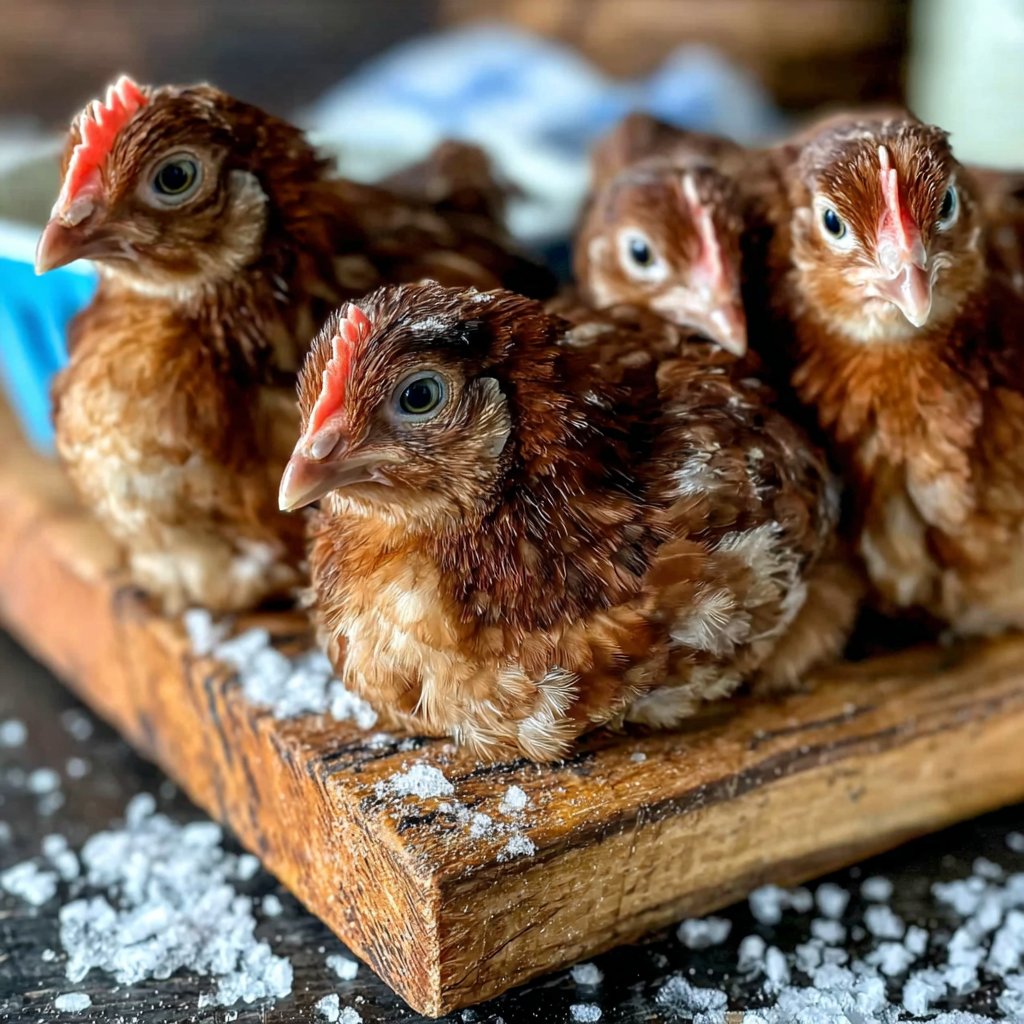
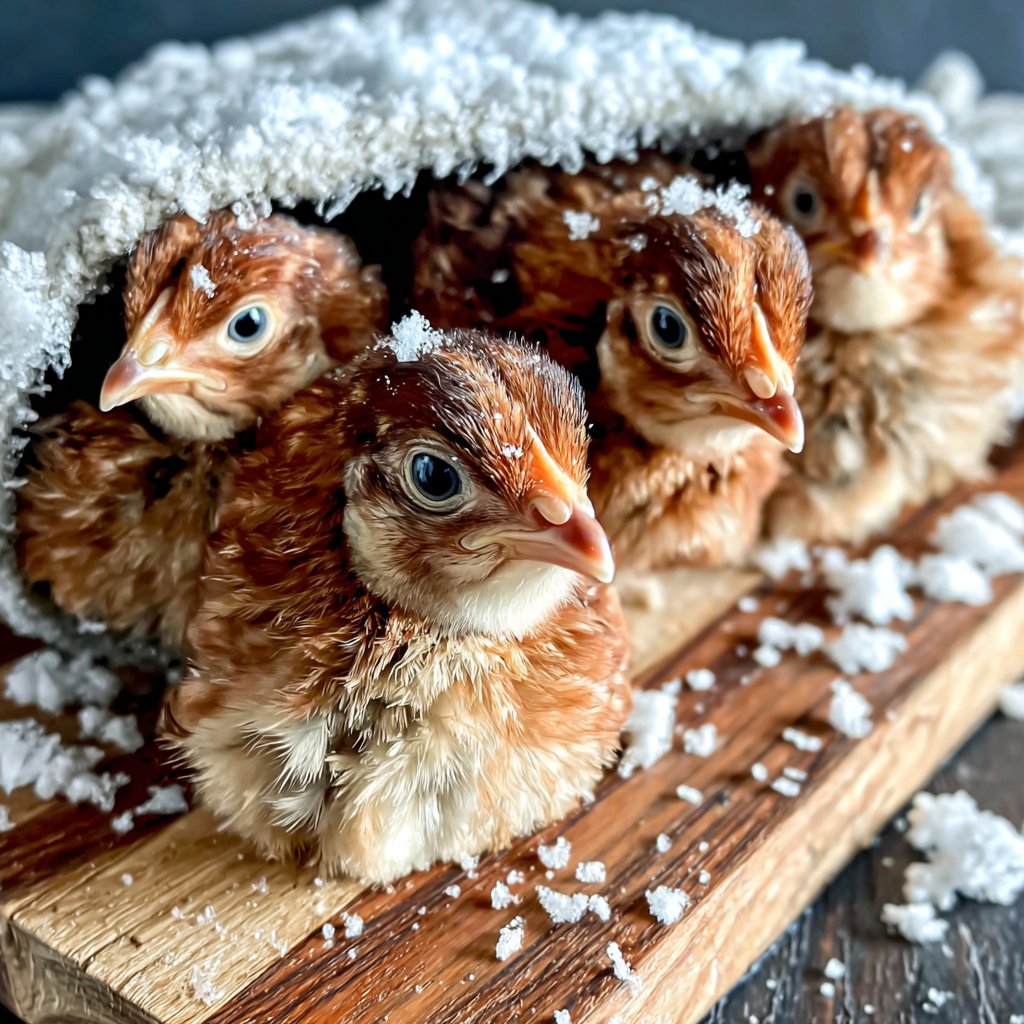
To keep your chickens engaged during winter, implement activities that stimulate their natural behaviors. I’ve found that scattering scratch grains in the snow not only encourages foraging but also promotes exercise. Chickens have a natural instinct to peck and scratch, so hide treats within safe areas of the run to encourage exploration. This mimics their natural environment and keeps them entertained even when outdoor conditions are less than ideal.
Another idea is to hang vegetables like cabbage or kale from strings in the run. This encourages chickens to jump and peck, providing both physical exercise and mental stimulation. Incorporating a dust bath area with a mix of dirt and sand can keep their feathers in top condition while also allowing them to engage in grooming behaviors. Ensure this area remains dry by periodically replacing the substrate, as moisture can lead to chilled chickens.
Pro Tips
- Consider covering the ground of the run with straw or wood chips to help with insulation and keep their feet dry.
Maintaining Fresh Water
Chickens need access to fresh water year-round, but in winter, water can freeze quickly. To prevent this, invest in heated waterers or use a simple heat lamp or heat mat underneath a standard water bowl. Make sure the water doesn't exceed 70°F (21°C) to ensure it's palatable; chickens may avoid water that is too cold or hot. Check the waterers daily, as ice can form overnight even with a heating solution, and ensure clean water is always available.
If you're in an area with frequent temperature fluctuations, consider using a double-walled water container which helps retain warmth while reducing the risk of freezing. Always keep an eye on the overall hydration of your flock, as dehydration can lead to severe health issues. If you notice chickens drinking less, consider adding electrolytes to their water to boost their interest.
Feed Adjustments for Winter
Adjusting the feed for your chickens during winter can help them maintain body heat and overall health. I recommend increasing the protein content of their diet during colder months by incorporating higher protein feed or adding ingredients like mealworms and sunflower seeds. This helps chickens generate more body heat while keeping their energy levels up to cope with cold conditions, as protein is crucial for thermogenesis.
Additionally, providing a grain mix can enhance their calorie intake. Chickens may need up to 20% more feed during winter due to increased energy expenditure for maintaining body warmth. Monitor your flock’s eating habits; if they seem less active or are not consuming enough feed, it may indicate they are struggling with temperature regulation. Adjust their feed accordingly, and consider offering warm mash as a treat to entice them during particularly chilly days.
Questions About Recipes
→ How can I keep my chickens warm in winter?
Providing adequate shelter and windbreaks, along with insulation like straw or hay, are key to keeping your chickens warm.
→ What kind of bedding is best for the chicken run during winter?
Straw works well for insulation and helps keep the chickens' feet from getting cold and wet.
→ Can chickens go outside during snow?
Yes, chickens can go outside in the snow, but make sure they have access to shelter where they can escape the cold and wind.
→ Do chickens need more food in winter?
Yes, providing extra feed helps chickens maintain their body heat during colder months as they use more energy to stay warm.
Chicken Run Ideas For Cold Climates
Extra Tips
- Consider covering the ground of the run with straw or wood chips to help with insulation and keep their feet dry.
Nutritional Breakdown (Per Serving)
- Calories: 0 kcal